Weeds pushing back through paver joints almost always mean the sealer failed, wore out, or was never applied over a properly cleaned surface — the right paver sealing product stops regrowth at the joint, not just on top of the paver. This guide ranks the five product types that actually hold up through a Canberra winter in 2026, with the tradeoffs each one carries.
- Polymeric jointing sand wins for stopping paver sealing products weed regrowth at the source, hardening inside the joint so seeds can't germinate.
- Water-based acrylic sealer is the low-VOC, natural-look pick for driveways where budget matters in 2026.
- Solvent-based wet-look sealer suits pavers where color enhancement matters more than surface breathability.
- Penetrating sealers protect natural stone without trapping moisture, which matters before Canberra's frost season.
- Semi-permeable hybrid sealers hold up best on high-traffic commercial and strata paving.
Why this matters
Weeds in paver joints aren't just a cosmetic problem. Roots widen the gap between pavers, lift edges, and give water a path down into the base course. Left alone over two or three Canberra winters, that cycle turns a flat driveway into an uneven one.
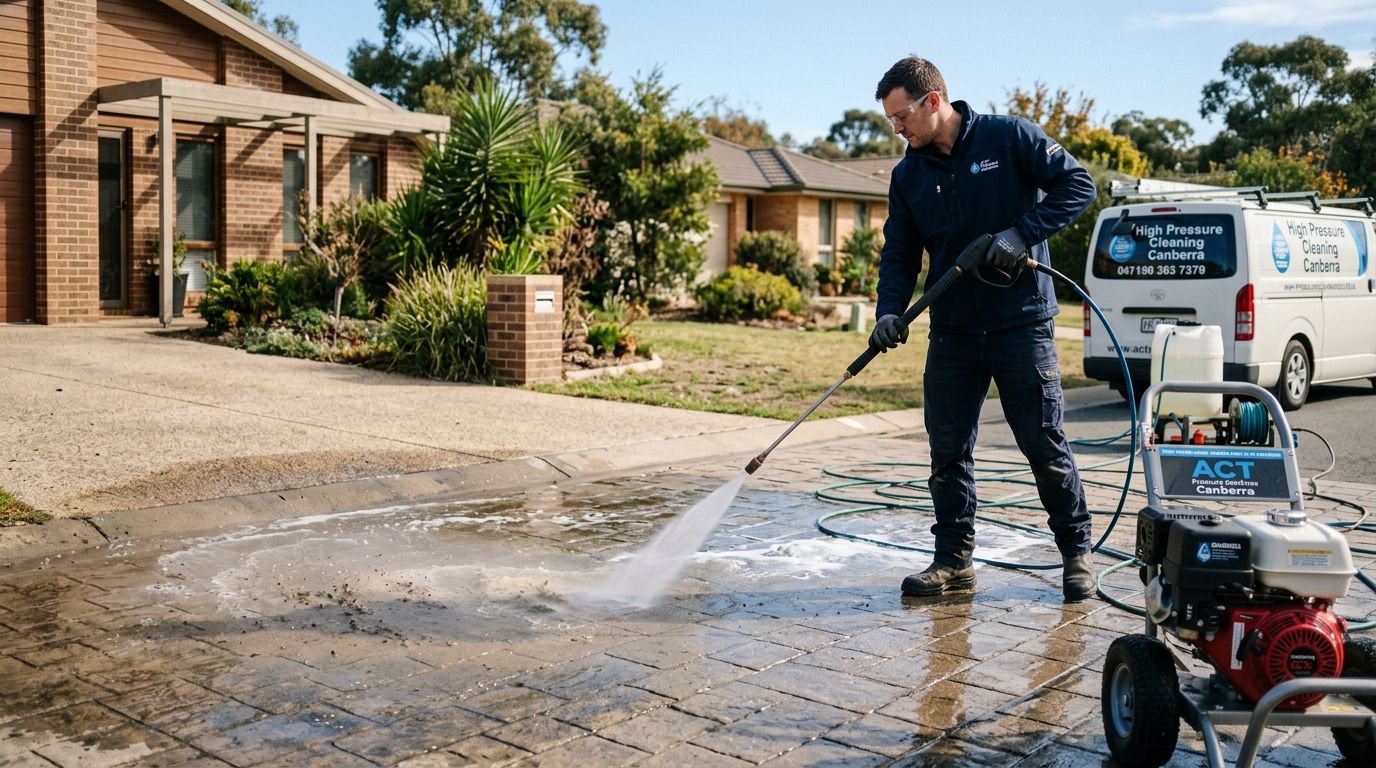
Canberra's frost and freeze-thaw pattern makes this worse than in milder climates. Moisture sits in a cracked or unsealed joint, freezes overnight, expands, and nudges the paver a fraction higher each time. A joint sealed over dirt, moss, or algae buildup from an unwashed surface will grow weeds back within a single season regardless of which product you use — the prep matters as much as the sealer. Clear Jet treats pressure cleaning as the non-negotiable first step before any paver sealing product goes down, because sealer bonds to clean stone, not to grime.
What makes the best paver sealing product
- Joint penetration depth — the sealer or sand needs to fill the joint, not just film over the paver surface
- Breathability — vapour-permeable products let trapped moisture escape instead of blistering the sealer
- UV and weather resistance — a Canberra summer will chalk out a weak sealer within a year
- Reapplication interval — most sealers need a refresh every 2-3 years; know that going in
- Compatibility with prior cleaning — sealer applied over algae or dirt fails at the joint first
- Environmental profile — VOC content matters more on enclosed courtyards and near garden beds
Paver sealing products at a glance
| Product type | Best for | Standout feature | Key limitation |
|---|---|---|---|
| Polymeric jointing sand | Stopping weed regrowth at the joint | Hardens in place, blocks light and seed germination | Needs a completely dry, clean joint to bond correctly |
| Water-based acrylic sealer | Natural-look, low-VOC protection | Low odor, easy reapplication, keeps stone color true | Shorter lifespan than solvent-based options |
| Solvent-based wet-look sealer | Enhancing color on high-UV driveways | Deep gloss, strong UV resistance | Higher VOC, can darken light-colored pavers permanently |
| Penetrating/impregnating sealer | Natural stone and breathable pavers | Repels water without changing the surface look | Doesn't fill joints, so it won't stop weeds alone |
| Semi-permeable hybrid sealer | High-traffic commercial and strata paving | Balances breathability with joint stabilization | Costs more to apply correctly across large areas |
1. Polymeric jointing sand: best paver sealing product for stopping weed regrowth at the source
Polymeric sand is swept into paver joints and activated with water, where it hardens into a semi-rigid bond that fills the gap seeds need to take root. It's the product doing the actual weed-blocking work — most sealers on this list work better when paired with it rather than instead of it.
Polymeric jointing sand pros:
- Blocks light and moisture at the exact spot weeds germinate
- Stabilizes joints against ant and insect activity too
- Works under most sealer types once cured
Polymeric jointing sand cons:
- Fails if applied over damp or dirty joints — cleaning first is mandatory
- Needs re-sanding in joints that see heavy foot or vehicle traffic
Best for: driveways and paths with visible weed regrowth in the joints right now.
Verdict: Buy — pair it with pressure cleaning first and it solves the root cause, not the symptom.
2. Water-based acrylic sealer: best for natural-look, low-VOC protection
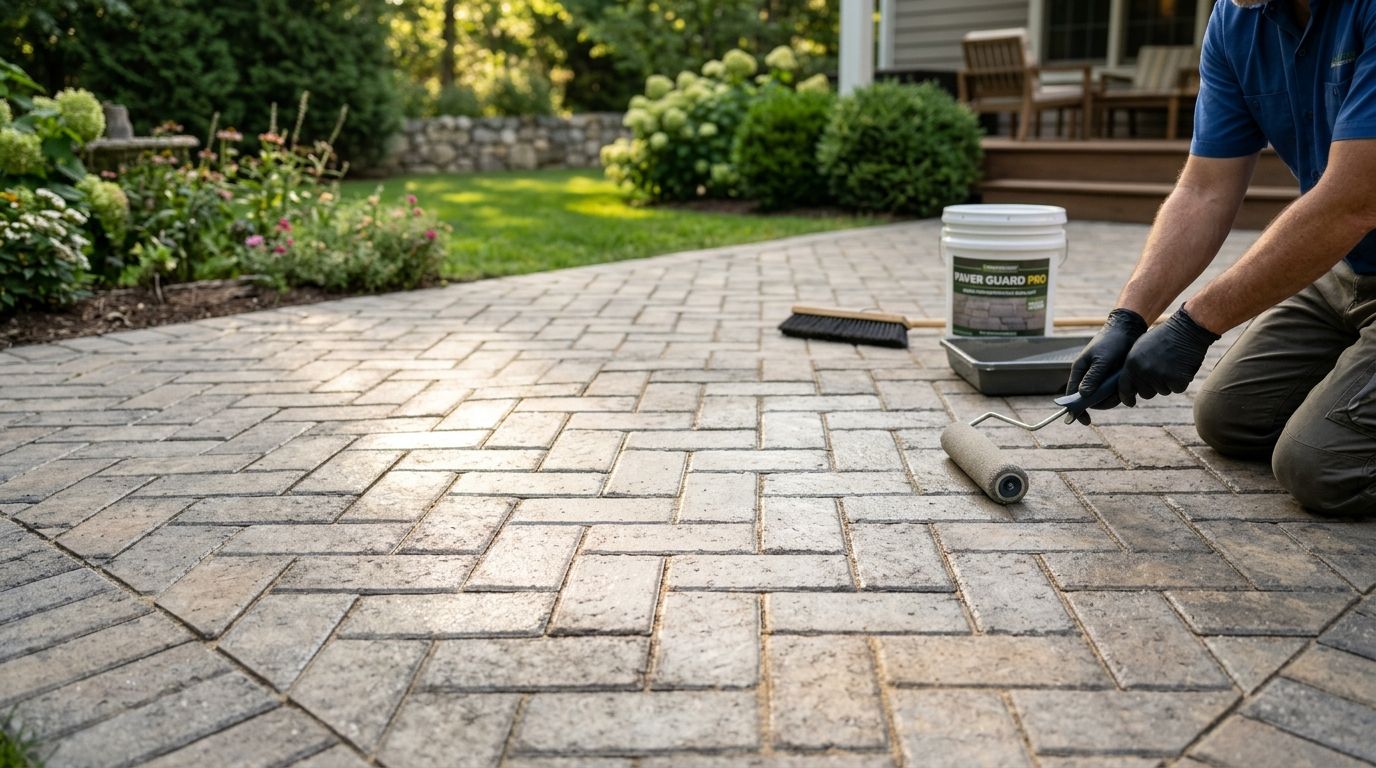
Water-based acrylic sealers sit on the surface and in the upper part of the joint, giving pavers a light sheen without changing their color much. They're the easiest option to apply on a mild weekend and the lowest-odor choice for courtyards near living spaces.
Water-based acrylic sealer pros:
- Low VOC, safer to apply near garden beds and pet areas
- Keeps natural stone color close to its original tone
- Reapplies easily without heavy stripping
Water-based acrylic sealer cons:
- Wears faster under direct summer sun than solvent-based options
- Offers less UV enhancement, so faded pavers stay faded
Best for: homeowners who want protection without a glossy or darkened finish.
Verdict: Buy — the practical, budget-conscious default for residential driveways in 2026.
3. Solvent-based wet-look sealer: best for enhancing color on high-UV driveways
Solvent-based sealers penetrate deeper and cure into a glossy, saturated finish that darkens pavers and makes colors pop. They hold up longer under UV exposure than water-based versions, which matters on a north-facing driveway with no shade.
Solvent-based wet-look sealer pros:
- Strongest UV and weather resistance of the film-forming options
- Enhances paver color and adds a visible wet-look gloss
- Longer intervals between reapplication than water-based sealer
Solvent-based wet-look sealer cons:
- Higher VOC content, needs ventilation during application and curing
- Darkens light or sandstone-colored pavers, sometimes permanently
Best for: driveways that get full sun and where a glossy finish is the goal, not a natural one.
Verdict: Buy — the right call when the priority is appearance and durability over a natural look.
4. Penetrating/impregnating sealer: best for natural stone and breathable pavers
Penetrating sealers, often silane-siloxane based, soak into the stone and repel water from inside the pore structure rather than forming a film on top. They don't change the surface look at all, which is why they're the standard choice for natural stone like sandstone, granite, or limestone pavers.
Penetrating sealer pros:
- Lets moisture vapour escape, reducing the risk of blistering or flaking
- No visible film, so the paver keeps its natural texture and color
- Well suited to porous stone that can't handle a film-forming sealer
Penetrating sealer cons:
- Doesn't fill joints, so it does little on its own against weed regrowth
- No gloss or color enhancement if that's what you're after
Best for: natural stone pavers where breathability matters more than a decorative finish.
Verdict: Hold — combine it with polymeric sand in the joints rather than relying on it alone.
5. Semi-permeable hybrid sealer: best for high-traffic commercial and strata paving
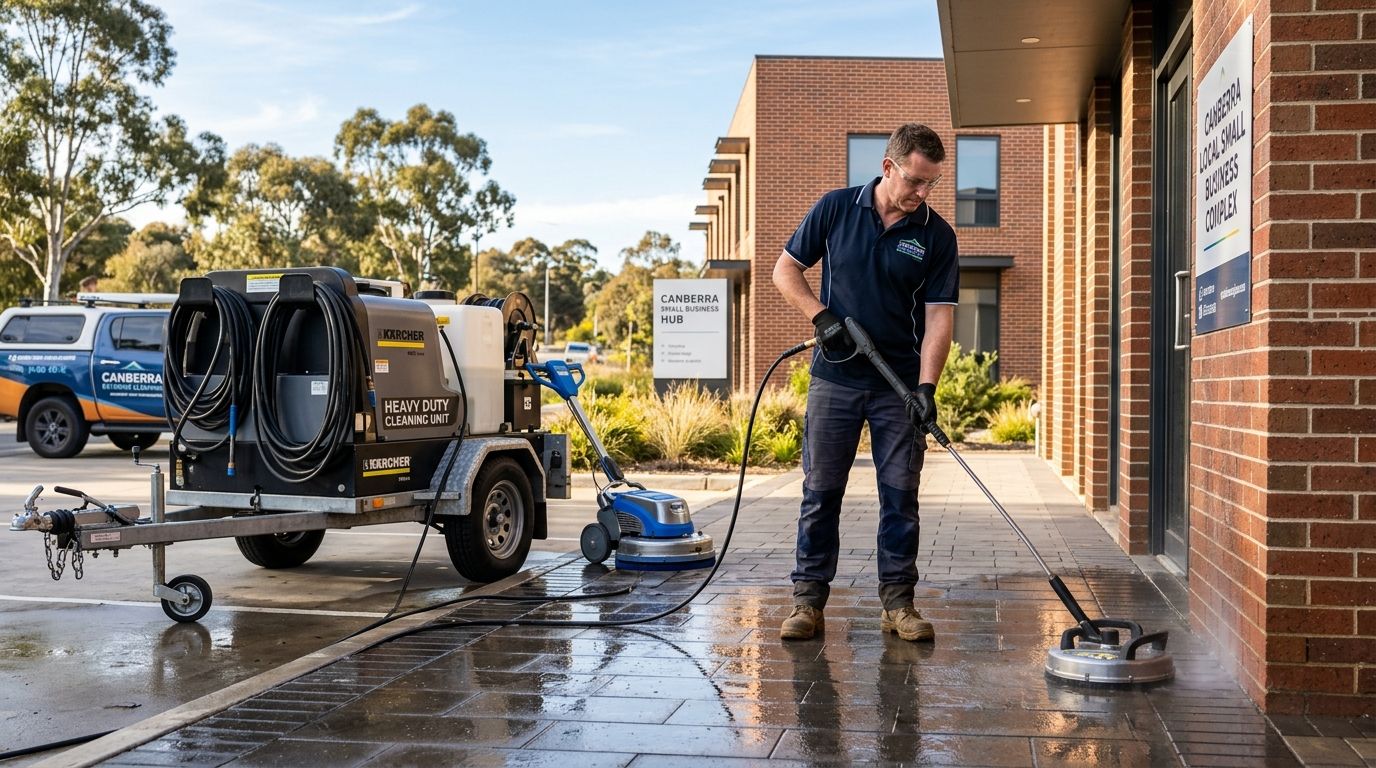
Hybrid sealers combine some breathability with a film-forming layer, aiming for a middle ground between the acrylic options and a pure penetrating sealer. They're the product most commonly specified for commercial forecourts, strata common areas, and driveways that see constant vehicle traffic.
Semi-permeable hybrid sealer pros:
- Handles repeated vehicle and foot traffic better than standard acrylics
- Reduces the moisture-trapping risk that plagues cheaper film sealers
- Suits larger areas where reapplication cost per square metre matters
Semi-permeable hybrid sealer cons:
- More expensive to source and apply correctly than either acrylic option
- Needs a professional-grade cleaning pass beforehand to bond evenly across large slabs
Best for: commercial properties and strata complexes managing large paved areas.
Verdict: Buy — the sensible choice once the paved area is bigger than a single residential driveway.
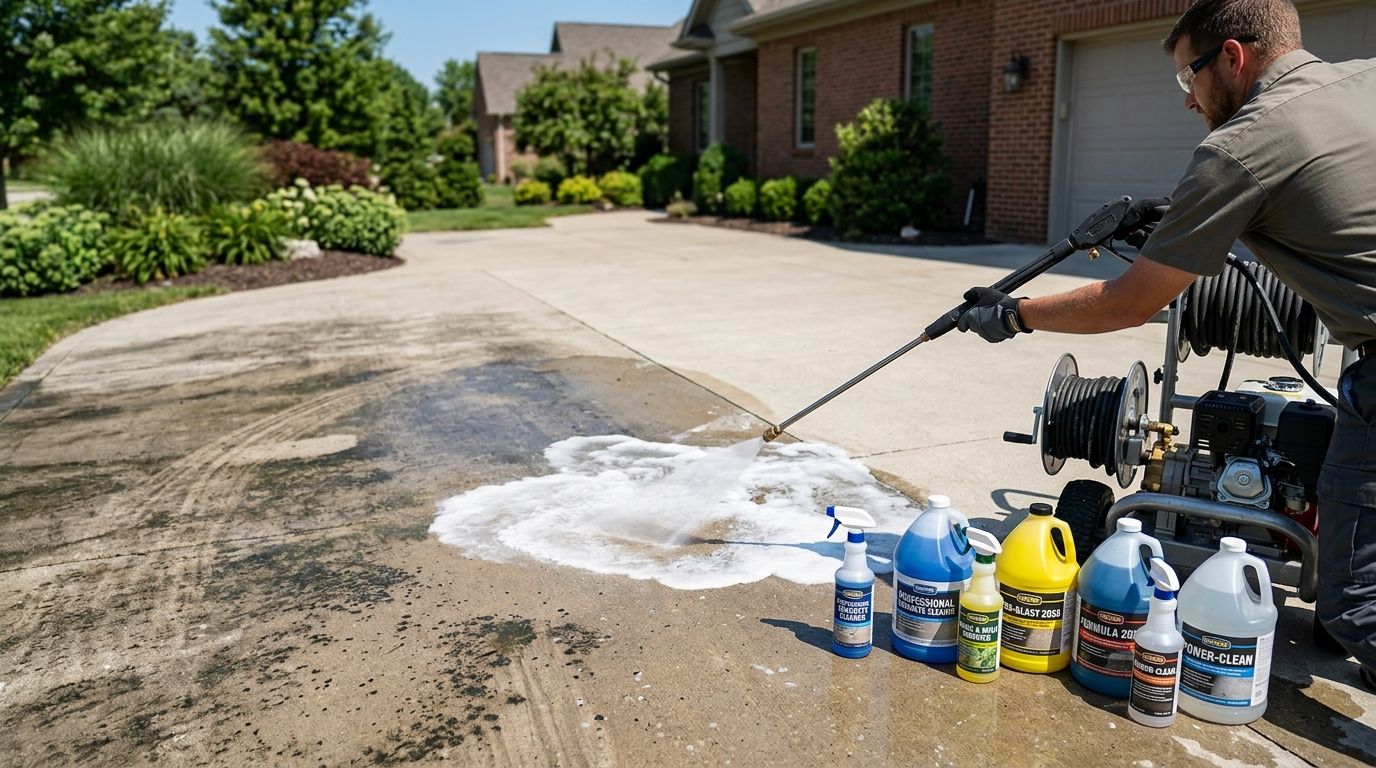
Getting a driveway ready for any of these products starts the same way every time — a proper pressure clean strips the algae, dirt, and old sealer residue that stop new sealer from bonding. Clear Jet's guide on driveway sealers to use after pressure cleaning covers that prep step in more detail if the paving hasn't been cleaned in the last year.
Book a pre-sealing pressure clean
Get pavers cleaned and ready before any sealer goes down.
How we ranked these
Each product type was measured against the six criteria above: joint penetration, breathability, UV resistance, reapplication interval, compatibility with prior cleaning, and VOC profile. Products that only address the surface — without touching the joint where weeds actually germinate — lost points even when their finish looked good. That's why polymeric sand tops the list despite not being a traditional "sealer" in the marketing sense.
Which paver sealing product should you choose?
For most Canberra driveways dealing with active weed regrowth in 2026, polymeric jointing sand paired with a water-based acrylic sealer is the combination that solves the problem without overspending. Choose the solvent-based wet-look sealer if color enhancement is the priority and the area gets heavy sun. Commercial and strata properties should default to a semi-permeable hybrid sealer given the traffic load they carry.
None of these hold up long if they go over an unwashed surface — that's the step that gets skipped most often and causes the fastest weed comeback.
FAQ
What's the best paver sealing product to stop weed regrowth?
Polymeric jointing sand is the most effective single product because it hardens inside the joint and blocks the gap weeds need to germinate. Pairing it with a water-based or solvent-based sealer adds surface protection on top.
Is polymeric sand better than sealer for weeds?
Yes, for weed prevention specifically — sand fills the joint where seeds take root, while most sealers only coat the paver surface. Use both together rather than choosing one over the other.
How often do paver sealers need reapplying?
Most acrylic sealers need reapplication every 2-3 years, sooner in high-UV, north-facing driveways. Penetrating sealers can last longer since they don't wear the same way a surface film does.
Do I need to pressure clean pavers before sealing?
Yes — sealer applied over dirt, algae, or old sealer residue won't bond properly and fails at the joint first. A clean, dry surface is the baseline requirement for any sealer type on this list.
Will sealing pavers stop weeds permanently?
No sealer is permanent; it reduces regrowth for the length of its reapplication interval, typically 2-3 years. Weeds return faster if the joints weren't properly filled with sand before sealing.
What's the difference between water-based and solvent-based paver sealer?
Water-based sealers are lower VOC and keep the paver's natural color, while solvent-based sealers penetrate deeper and cure into a glossier, more UV-resistant finish that can darken lighter pavers.
Can I use a penetrating sealer alone to stop weeds?
Not effectively on its own — penetrating sealers protect the stone from moisture but don't fill the joint gap. Combine one with polymeric sand for weed control plus stone protection.
Which sealer is best for commercial or strata paved areas?
A semi-permeable hybrid sealer holds up best under constant vehicle and foot traffic across large paved areas. It costs more per square metre than standard acrylics but needs reapplication less often on high-use surfaces.
One last thing
The most common reason a freshly sealed driveway grows weeds back within months isn't the product choice — it's sealing over joints that still had organic debris packed into them from before the clean. Scrape and flush the joints fully during pressure cleaning, let them dry completely, then sand and seal. Skipping the drying step is the single fastest way to waste a full afternoon of work.